How to Choose an Antique Dressing Table in 2026?
Choosing an Antique Dressing Table in 2026 requires more than admiring polished wood and delicate mirrors. Buyers must read its construction, condition, history, and practical scale. The 2024 1stDibs Designer Trends Survey reported continued professional interest in vintage and antique furnishings, while the 2024 Art Basel and UBS Global Art Market Report showed sustained demand for objects with cultural and material value. These reports do not measure dressing tables directly. That limitation matters.
Look closely. Check dovetail joints, veneer bubbles, replaced handles, mirror foxing, and old repair marks. A faint cedar smell can suggest age, but it proves nothing. Provenance should be documented, not imagined. Compare measurements with your bedroom doorway and dressing chair. A beautiful table that cannot pass through the hall is still a poor purchase.
William Morris, a major figure in decorative arts, advised, “Have nothing in your houses that you do not know to be useful, or believe to be beautiful.” His principle remains useful here. An Antique Dressing Table should serve both purposes. Seek balanced proportions, stable drawers, and materials that suit daily use. Do not treat every scratch as character. Some scratches reveal honest history; others conceal neglect. Even experienced buyers can overlook warped panels under flattering showroom light. I have found that patience beats excitement, although patience is not always easy. In 2026, responsible selection also means asking about restoration methods and avoiding irreversible alterations. A slightly imperfect antique may be wiser than a heavily renovated one.
Define Your Style, Period, and Intended Use
How to Choose an Antique Dressing Table in 2026?
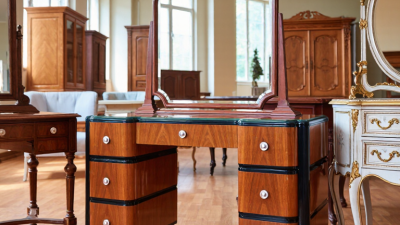
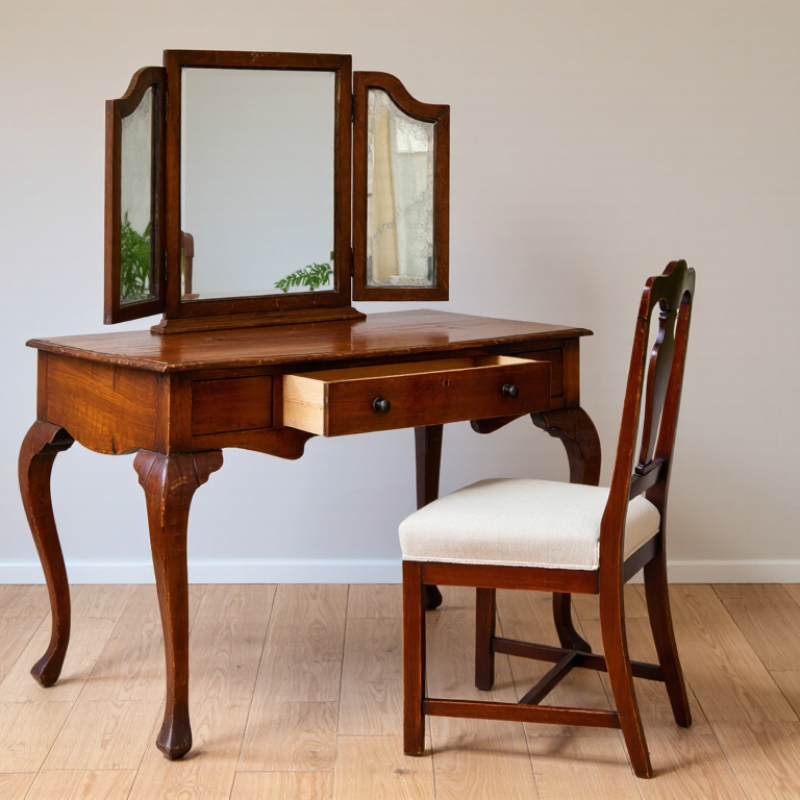
Start with your style before studying dates. A dressing table should feel natural in its room, not merely impressive in photographs. Choose curved legs and warm walnut for a romantic interior. Select simple oak lines for a quieter, country-inspired space. Measure the room carefully. Leave enough space for a chair and opened drawers.
Then identify the period through construction details. Look at the joints, drawer bottoms, handles, veneer, and tool marks. Hand-cut dovetails may suggest age, but they are not absolute proof. Styles were copied, and some pieces contain later replacements. Ask for documented provenance, restoration records, and clear photographs of the underside. A qualified antiques specialist can help compare materials and construction methods. Do not rely on one decorative feature.
Think honestly about intended use. Will it hold cosmetics, jewelry, or only display objects? Test every drawer gently. Check for sticking, loose handles, lifting veneer, woodworm damage, and unstable feet. A slightly uneven surface may be charming, but it can become frustrating each morning. Measure your mirror height and chair clearance before buying. Many buyers focus on appearance and forget electrical lighting, storage needs, or daily comfort. That mistake is easy to make. An antique dressing table may need careful restoration, and modern use can expose weaknesses that showroom lighting hides. Consider professional conservation when repairs affect structural stability or original materials.
Identify Authentic Materials, Construction, and Historical Features
How to Choose an Antique Dressing Table in 2026?
Identify Authentic Materials, Construction, and Historical Features
An authentic antique dressing table should reveal its age through materials and workmanship. Examine the wood under drawers, behind mirrors, and along unfinished edges. Solid timber often shows changing grain, while veneers may display thin, carefully matched surfaces. Genuine patina usually develops unevenly around handles, corners, and drawer fronts. Look underneath. Freshly uniform color can suggest recent staining.
Construction details provide stronger evidence than decoration alone. Older drawers may use hand-cut dovetails with slight variations between joints. Square nails, aged screws, and wooden pegs can support an earlier date, but replacements are common. Check whether the drawer bottoms fit their grooves naturally. A loose joint does not always mean poor quality; it may reflect decades of movement. Still, extensive modern glue deserves caution.
Historical features should match the table’s supposed period. Compare the mirror shape, leg design, hardware, and surface finish with reliable museum references or specialist catalogues. Provenance, such as an old receipt or family inventory, can strengthen the assessment, though paperwork may be incomplete. I once trusted an attractive dark finish too quickly; later inspection showed it concealed newer veneer. That mistake changed my buying process. Use a flashlight, measure hidden areas, and ask an independent furniture conservator for a written opinion before paying a premium. Do not rush.
How to Choose an Antique Dressing Table in 2026?
Historical production spans help narrow the likely period of a dressing table. Compare the date range with its materials, joinery, hardware, finish, and documented provenance before purchasing.
Inspection guide: Hand-cut dovetails, wooden pegs, aged solid timber, compatible hardware, and consistent wear can support an early date. Machine-made uniformity, modern screws, artificial distressing, or mismatched finishes may indicate later manufacture or alteration.
Evaluate Size, Condition, and Restoration Requirements
How to Choose an Antique Dressing Table in 2026?
Begin with the room, not the table. Measure the available wall, walking space, and mirror height before visiting a dealer. Leave enough clearance for drawers to open fully. A charming piece can quickly become impractical in a narrow bedroom.
I usually record three measurements: width, depth, and total height. I also check whether the legs sit evenly on the floor. My first estimate was once wrong by several centimetres. A paper template would have prevented that mistake. Look closely at the condition under natural light. Small scratches may show honest use, while fresh-looking patches can indicate recent repairs. Test each drawer gently. It should move without force, but slight resistance is not automatically a serious fault. Loose joints, split timber, missing veneer, and lifting surfaces need careful assessment. Check the mirror for clouding, cracks, and unstable mounts. A replacement mirror may alter the table’s character and value.
Restoration requirements can decide the real cost. Light cleaning and gentle waxing are usually manageable, but structural repairs require a trained conservator. Avoid aggressive sanding, modern coatings, or unverified chemical treatments. They can erase aged surfaces and reduce historical evidence. Ask for a written condition report, repair history, and clear photographs of hidden areas. If woodworm is suspected, seek professional identification rather than guessing. The cheapest table may demand the most work. I still prefer honest wear over a polished but heavily altered surface. Some imperfections deserve to remain.
Choose a Reliable Seller and Plan Ongoing Care
How to Choose an Antique Dressing Table in 2026?
A reliable seller should explain a table’s age, materials, repairs, and ownership history. Ask for close photographs of joints, drawer interiors, feet, and the underside. Honest sellers welcome questions. They also separate confirmed facts from educated guesses. I prefer written condition reports, especially when veneer lifting or old worm holes appear. A 2023 survey by the Antiques Trade Gazette found condition and authenticity remained major buyer concerns. That matches my experience. Beautiful polish can hide structural weakness.
Plan care before purchase. Keep the dressing table away from radiators, direct sunlight, and damp exterior walls. Stable indoor humidity matters more than occasional cleaning. The American Institute for Conservation recommends preventive care and warns against aggressive restoration. Use a soft, dry cloth. Avoid silicone sprays, abrasive polish, and household cleaners. A tiny test area is wise. I once used too much wax on an old surface; dust gathered along the carved edge for months.
The U.S. Environmental Protection Agency’s 2018 materials report recorded 12.1 million tons of discarded furniture and furnishings. Buying a sound antique can support reuse, but only when repair needs remain realistic. Request a conservation estimate before paying. Check whether drawers glide evenly and whether the mirror mount feels secure. Keep receipts, photographs, and care instructions. A trusted seller will not pressure you to decide quickly.