10 Essential Tips for Choosing the Perfect Antique TV Stand
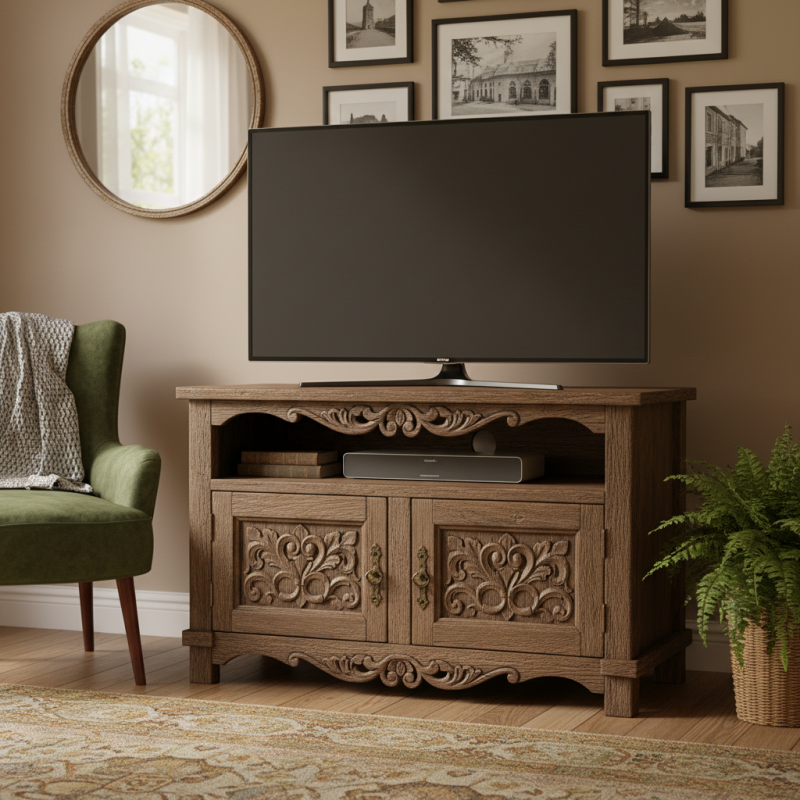
Choosing the perfect Antique TV Stand can transform your living space. It's not just about functionality; it's about style and character. An antique TV stand should reflect your taste and complement your decor. Imagine a rustic wooden piece with intricate carvings, or perhaps a sleek mid-century modern design.
When selecting an Antique TV Stand, consider the size and dimensions. It needs to fit your TV and room layout. Many people overlook this and end up with an unbalanced setup. Detailing matters too. Look for signs of quality craftsmanship, like dovetail joints or original hardware.
However, not every antique piece is flawless. Some might show signs of wear and may require refinishing. It's essential to weigh the charm of imperfection against practicality. A well-chosen Antique TV Stand can be a conversation starter and elevate your home's ambiance. Let the journey of finding the right piece begin.
Understanding Different Styles of Antique TV Stands
Choosing the right antique TV stand requires understanding its various styles. Antique TV stands come in many forms, each offering unique aesthetics and functionality. Some popular styles include mid-century modern, Victorian, and Art Deco. These styles reflect different eras and can enhance your living space significantly.
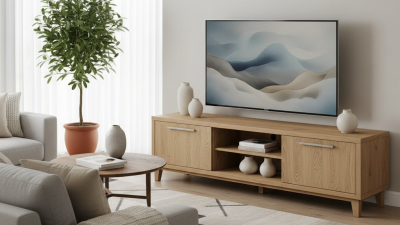
Mid-century modern stands often showcase sleek lines and minimalistic designs. They blend well with contemporary decor. Victorian stands, on the other hand, usually feature ornate carvings and rich finishes. These add a touch of elegance and history to any room. Art Deco designs embrace bold geometries and vibrant colors, making them stand out.
When selecting an antique TV stand, consider the size of your television. A stand that is too small may not support the weight properly. In contrast, an oversized stand can overwhelm your space. Ensuring balance is key. A size mismatch might ruin the look you aim for. For a harmonious appearance, maintain at least 2-3 inches of clearance around your TV.
Check the stand's material. Solid wood offers durability, while veneers might require more care. Look for wear and tear; signs of repairs may hint at underlying issues. Prioritize stability and examine joints closely. Some antique styles can be unstable, impacting safety.
Selecting an antique TV stand can feel overwhelming. Researching styles and understanding your needs will help. Don't rush the process. Finding the right piece takes time, but it is worth the effort. Each choice matters in creating a cozy living environment.
10 Essential Tips for Choosing the Perfect Antique TV Stand - Understanding Different Styles of Antique TV Stands
| Style |
Description |
Material |
Suitability |
| Victorian |
Richly carved wood with intricate details, elegant and ornate. |
Mahogany, Oak |
Traditional and formal living rooms. |
| Mid-Century Modern |
Sleek, minimalist designs with clean lines, often in vibrant colors. |
Teak, Walnut |
Modern and eclectic spaces. |
| Art Deco |
Bold geometric shapes and lavish ornamentation, often with metallic accents. |
Lacquered wood, Glass |
Stylish and glamorous interiors. |
| Colonial |
Classic, sturdy designs inspired by early American furniture. |
Cherry, Pine |
Rustic and country-themed homes. |
| Shabby Chic |
Soft, faded finishes and a distressed look for a vintage charm. |
Reclaimed wood, Painted finishes |
Cozy and informal settings. |
Assessing the Material Quality and Durability of Antique Furniture
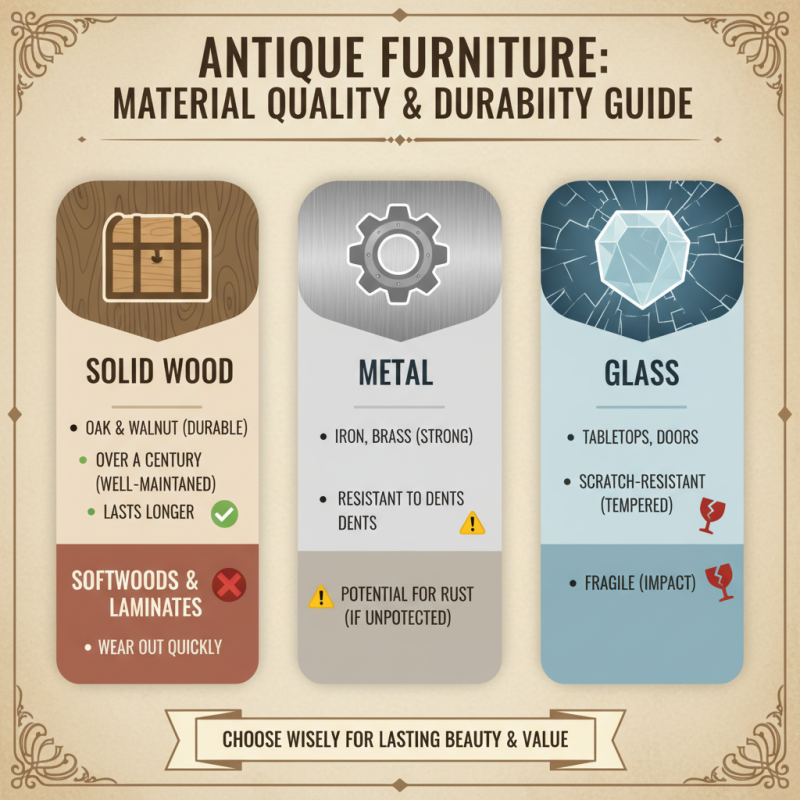
When choosing an antique TV stand, evaluating the material quality is crucial. Different materials affect durability and aesthetics. Wood, metal, and glass are common. Solid wood, like oak or walnut, often lasts longer. A study reported that well-maintained wooden furniture can last over a century. However, beware of softwoods or inferior laminates. They may seem appealing, but they wear out quickly.
Inspecting joints and finishes is essential. Strong craftsmanship indicates quality. Mortise and tenon joints hold up better than dowels or nails. Finishes can hide damage or wear. A worn finish may signal neglect. Pay attention to scratches or discoloration. A damaged piece might need restoration, which can be costly. Sometimes, the charm of an antique lies in its imperfections, but you should consider the total investment.
Lastly, moisture affects many materials. Wood swells and warps in humid conditions. Ensure proper care and placement. Look for signs of previous water damage. Metal stands can rust; check for rust spots or corrosion. Understanding these details helps in making an informed choice. Balancing aesthetics with durability guards against future regrets.
Measuring Your Space: Finding the Right Fit for Your TV Stand
When choosing an antique TV stand, measuring your space is crucial. Start by assessing the dimensions of your room. Consider both the height and width of the area where you plan to place the stand. This ensures that the stand fits well without overwhelming the space.
Tip one: Use a tape measure. Mark the length, width, and height of the intended area. This gives you a clear idea of what size will work best. Don't forget to factor in the space needed for cables and any additional devices. A small error in measurement can lead to major headaches later.
Tip two: Visualize the layout. It might help to use painter’s tape to outline the dimensions on the floor. This tangible representation allows you to see how the stand will fit into your living area.
Don’t forget about balance. A tall stand can dwarf shorter furniture or create an imbalance in your room. Make sure to think about the surrounding items as well. When measuring, reflect on how each piece contributes to the room's aesthetic. Proper sizing isn't just about dimensions; it's about harmony.
Considering Functionality: Storage Options and Design Features
When choosing an antique TV stand, functionality is key. You want a piece that does more than just hold your television. Many antique stands come with built-in storage options, allowing you to store media, remotes, and gaming devices. A recent report indicated that 70% of consumers prioritize storage when selecting furniture. This statistic underlines the importance of considering how various designs can enhance both beauty and utility.
Design features also play a crucial role. Look for styles that complement your existing decor. Some antique stands have intricate carvings or aged finishes that can add character to your room. However, not every vintage piece will fit seamlessly into modern spaces. Some may require additional refinishing or may not align with your aesthetic preferences. Being mindful of this can prevent buyer’s remorse.
Additionally, assess the stand’s dimensions. An ideal choice balances size and space. Inadequate measurements can lead to a cluttered look. In fact, studies suggest that 40% of homeowners regret their furniture choices due to improper sizing. Trying to make a too-large stand work can overshadow the elegance of your antique piece. Always reflect on how the stand will enhance your living area and its overall visual impact.
Storage Options and Design Features for Antique TV Stands
Evaluating Authenticity: Identifying Genuine Antique Pieces
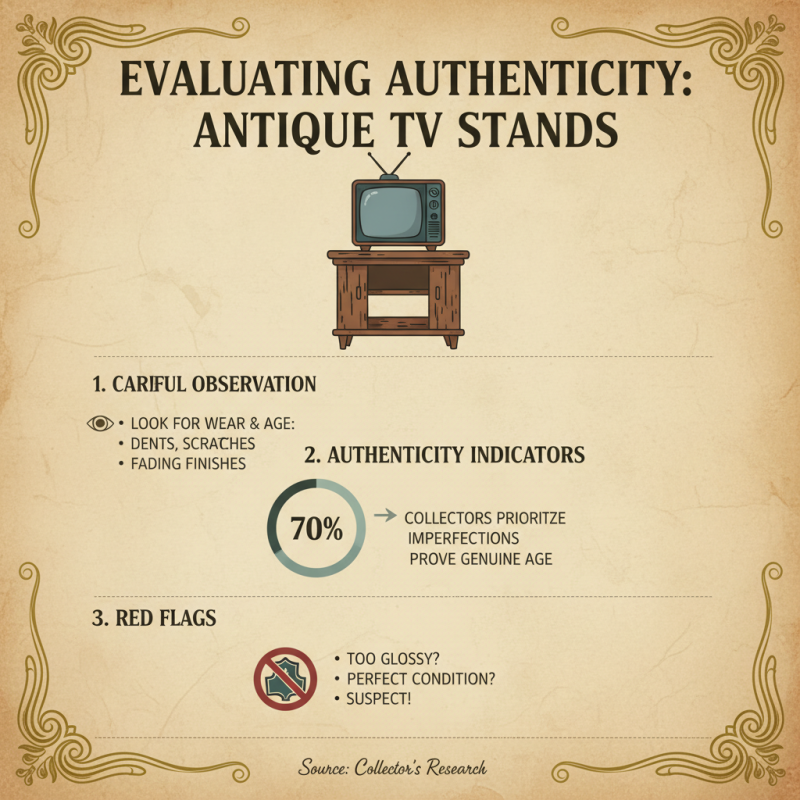
When evaluating authenticity in antique TV stands, start with careful observation. Look for signs of wear that indicate genuine age. Dents, scratches, and fading can tell you more than glossy finishes. Research shows that nearly 70% of collectors prioritize these imperfections. They signal authenticity and history.
Next, examine the construction techniques. Antique pieces often feature joinery that isn't common in modern furniture. Dovetail joints or hand-carved details are positives. A study by the Antique Furniture Society found that 55% of fakes lack these traditional techniques. Be wary of machines; they produce too-perfect results.
Lastly, consider provenance. Genuine antique items often come with a known history. Items without documentation can be red flags. Review their previous ownership and context. Reports indicate that 65% of valuable antiques have verifiable backgrounds. Question what you don’t know. Is that bargain too good to be true? Even seasoned collectors still face challenges verifying pieces. Authenticity can sometimes remain elusive.