Leave Your Message
Choosing the right Night Stand With Legs in 2026 involves more than matching your bed frame. Height, storage, stability, materials, and daily comfort all matter.
Interior designers often return to William Morris’s practical design principle: “Have nothing in your house that you do not know to be useful, or believe to be beautiful.” Although Morris was not a nightstand specialist, his advice fits this decision remarkably well. A well-chosen nightstand should hold a reading lamp, phone, water glass, and perhaps a book without looking overloaded.
Measure before shopping. The tabletop should sit close to mattress height, usually within a few inches. Imagine reaching for your alarm at 2 a.m. A small height mistake can become surprisingly irritating. Check the leg structure, too. Slim metal legs create an airy appearance, while solid wood legs usually offer a warmer and steadier feel. Uneven floors may expose weak construction.
Material changes the experience. Natural wood can show attractive grain, but it may require more care. Engineered wood can offer consistent finishes and lower costs, though quality varies widely. Drawers need smooth runners, and open shelves should not become dust traps.
This guide compares practical options for different bedrooms, budgets, and habits. Some recommendations may challenge popular trends. That is intentional. A beautiful Night Stand With Legs is not automatically useful, and “modern” does not always mean durable. Look closely, measure twice, and accept that the perfect choice may involve one compromise.
How to Choose the Best Night Stand With Legs in 2026?
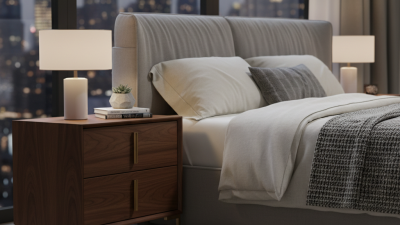
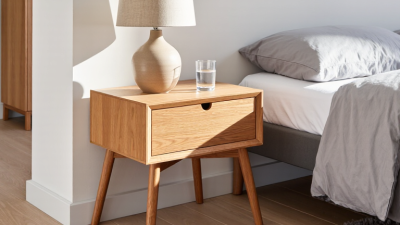
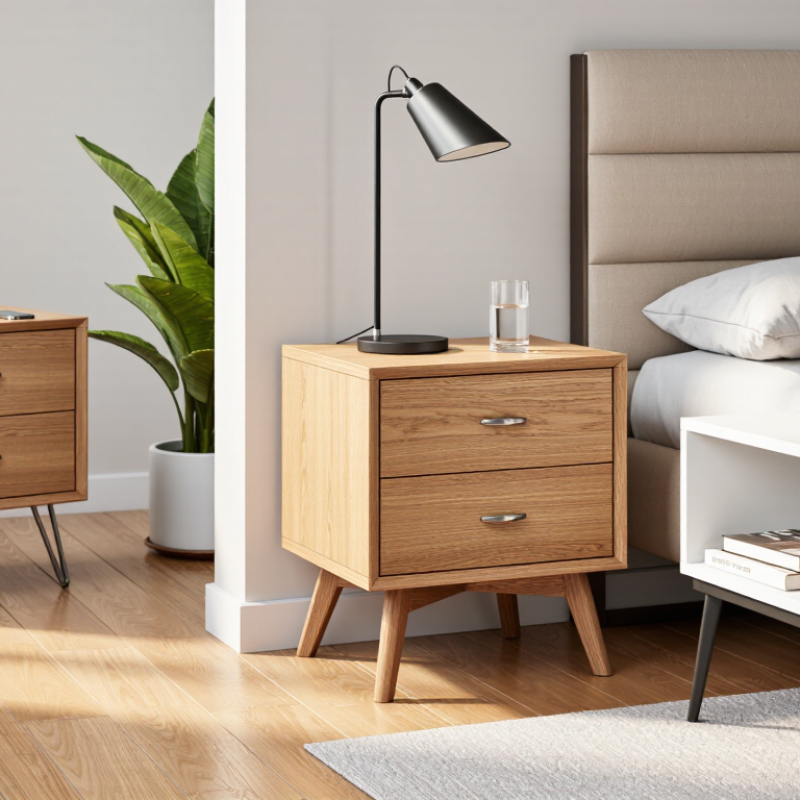
A night stand with legs is more than a bedside surface. It stores essentials, supports lighting, and keeps charging cables accessible. Its raised base also makes floor cleaning easier. That small gap matters in bedrooms with dust, rugs, or robot cleaners. The ideal height usually matches the top of your mattress. This prevents awkward reaching during the night.
Professional reports support a practical approach. Grand View Research valued the global home furniture market at approximately USD 550.7 billion in 2023, with continued growth expected through 2030. That expansion reflects rising interest in functional bedroom furniture, not only decoration. Meanwhile, the U.S. Consumer Product Safety Commission continues to highlight furniture stability and tip-over risks. Choose widely spaced legs, firm joints, and a weighted frame. Avoid a beautiful but wobbly table.
Check the functions closely. A drawer can hide medication, glasses, or a sleep mask. An open shelf suits books and baskets. Cable openings prevent a charger from sliding behind the table. Measure the available width beside your bed. A narrow room may need legs set inward, while a larger room benefits from stronger corner support. I once preferred delicate tapered legs, but they collected dust and felt unstable on a thick rug. That choice looked right. It was not. Consider rounded edges, moisture-resistant finishes, and quiet drawer runners before judging appearance.
| Selection Dimension | Recommended Guideline | Main Function or Benefit | What to Check Before Buying |
|---|---|---|---|
| Overall Height | Choose a nightstand that is approximately level with the top of the mattress. A difference of about 5 cm or less usually provides comfortable reach. | Keeps lamps, phones, glasses, and books within easy reach without excessive bending or stretching. | Measure from the floor to the top of the mattress, then compare that measurement with the cabinet or tabletop height. |
| Width and Depth | Common compact sizes are about 40–50 cm wide and 30–40 cm deep. Larger rooms may accommodate approximately 50–70 cm wide designs. | Provides enough surface area for bedtime essentials while preserving walking space beside the bed. | Leave a clear passage around the bed and confirm that drawers or doors can open without hitting walls or furniture. |
| Leg Height | Legs commonly range from approximately 10–25 cm. Taller legs create a lighter visual profile and more clearance underneath. | Raises the storage body, makes floor cleaning easier, and can make a small bedroom appear less crowded. | Confirm that the legs are securely attached and that the clearance is sufficient for the cleaning tools used in the room. |
| Storage Configuration | Select open shelving for quick access, drawers for concealed storage, or a combination of both for flexible organization. | Allows separate storage for frequently used items, personal belongings, books, and cables. | Test drawer movement, inspect the interior capacity, and verify whether the storage layout suits your nightly routine. |
| Stability and Weight Capacity | A stable nightstand should sit level, resist rocking, and support the intended load of the tabletop and storage compartments. | Reduces the risk of tipping, spilled drinks, damaged devices, and nighttime accidents. | Look for strong joints, a rigid back or frame, level-adjusting feet, and wall anchoring hardware where appropriate. |
| Leg Material and Construction | Solid wood, metal, and well-reinforced engineered-wood legs can all work effectively when properly joined to the cabinet. | The leg structure supports the cabinet, affects long-term durability, and contributes to the overall style. | Inspect screw points, brackets, welds, and joints. Avoid legs that flex noticeably when gentle pressure is applied. |
| Tabletop Material | Wood, engineered wood, laminate, glass, and metal surfaces offer different combinations of durability, appearance, and maintenance needs. | The tabletop protects everyday items and determines how well the nightstand handles spills, scratches, and heat. | Check the finish for smoothness, edge sealing, stain resistance, and compatibility with your cleaning products. |
| Cable Management | For charging devices, choose a design with a rear cable opening, a gap behind the cabinet, or accessible power routing. | Keeps charging cables organized and reduces visible clutter around the bed. | Confirm the opening is large enough for your plugs and that cables will not be pinched by drawers or the wall. |
| Safety Features | Prefer rounded or softened edges, smooth drawer operation, non-slip feet, and suitable anti-tip protection. | Helps prevent injuries, floor damage, and accidental tipping during everyday use. | Check for sharp corners, unstable legs, exposed fasteners, drawer stops, and included anchoring instructions. |
| Cleaning and Floor Access | Legged designs with open clearance underneath are generally easier to clean than fully enclosed bases. | Reduces dust accumulation and allows access for a broom, vacuum, or mop. | Measure the clearance under the cabinet and choose moisture-resistant finishes for rooms cleaned with damp methods. |
| Style and Proportion | Match the visual weight, color, and leg shape with the bed frame and surrounding furniture rather than matching every item exactly. | Creates a balanced bedroom layout and prevents the nightstand from looking too bulky or visually disconnected. | Compare samples or photographs in the actual room lighting and consider the scale of the bed and headboard. |
| Assembly and Maintenance | A practical design should include clear assembly instructions, accessible hardware, and surfaces that can be maintained with routine dusting. | Simplifies setup and helps preserve the appearance and structural performance over time. | Review the assembly steps, required tools, replacement-hardware availability, and care instructions before purchase. |
| Best Use by Room Size | Small room: compact width Large room: wider storage | Adapts storage capacity to the available floor area without obstructing movement. | Use masking tape on the floor to mark the proposed footprint before ordering or assembling the nightstand. |
| Ideal Everyday Functions | Prioritize the functions you actually need: bedside storage, reading-light support, device charging, alarm-clock placement, or decorative display. | Ensures the nightstand provides useful storage rather than taking up space for appearance alone. | List the items you keep beside the bed and verify that the tabletop and compartments can accommodate them comfortably. |