How to Choose the Best Corner Computer Desk for Your Space?
When selecting the ideal Corner Computer Desk, one must consider various factors beyond just aesthetics. Anthony Roberts, a Workspace Design Expert, once stated, “The right corner desk can enhance productivity and create a more organized environment.” This highlights how important it is to find a desk that suits your needs.
A Corner Computer Desk not only maximizes space but also improves workflow. It can promote better posture and reduce clutter. Many people overlook the significance of ergonomics when choosing furniture. Choosing the wrong desk may lead to discomfort and decreased focus. This undermines the desk’s purpose and affects performance.
Moreover, the range of styles and features can be overwhelming. Potential buyers often feel lost among myriad choices. Understanding your specific requirements is crucial. A well-informed decision can turn a simple desk into an essential part of your workspace. Investing time in research can pay off significantly.
Assessing Your Space for a Corner Computer Desk
When assessing your space for a corner computer desk, start by measuring the area. Consider height, width, and depth. Make a sketch of your room, including doors and windows. Note any obstacles that might limit your options. A narrow desk may fit better into tight spots, while a larger desk could overwhelm a small room.
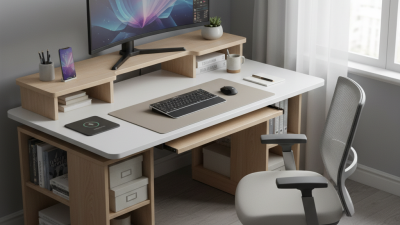
Think about your workflow and what you need from your desk. Do you require extra shelves or a pull-out tray? This practical approach ensures you choose a desk that harmonizes with your style and functionality. Remember the importance of natural light. Desks placed near windows can boost your productivity. However, consider glare on screens.
Reflect on your aesthetic. Modern, minimalist designs can create a spacious feel. Conversely, bulky furniture can make the room feel cramped. Keep functionality in mind as well. Clutter can accumulate easily. A desk with built-in storage options is often a wise choice. Imagining how you will use the space helps to make the best decision.
Understanding Different Types of Corner Computer Desks
When exploring corner computer desks, it's essential to understand the various options available.
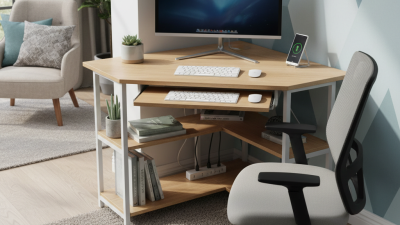
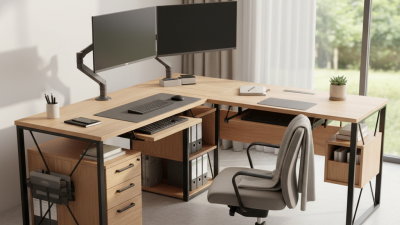
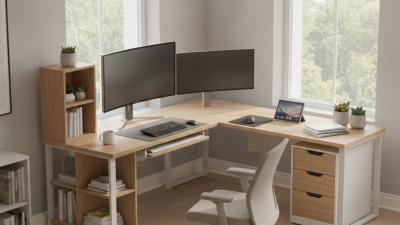
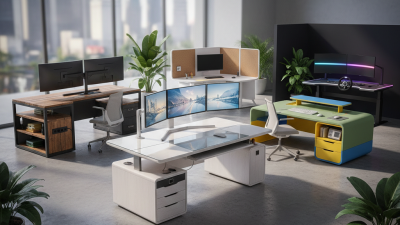
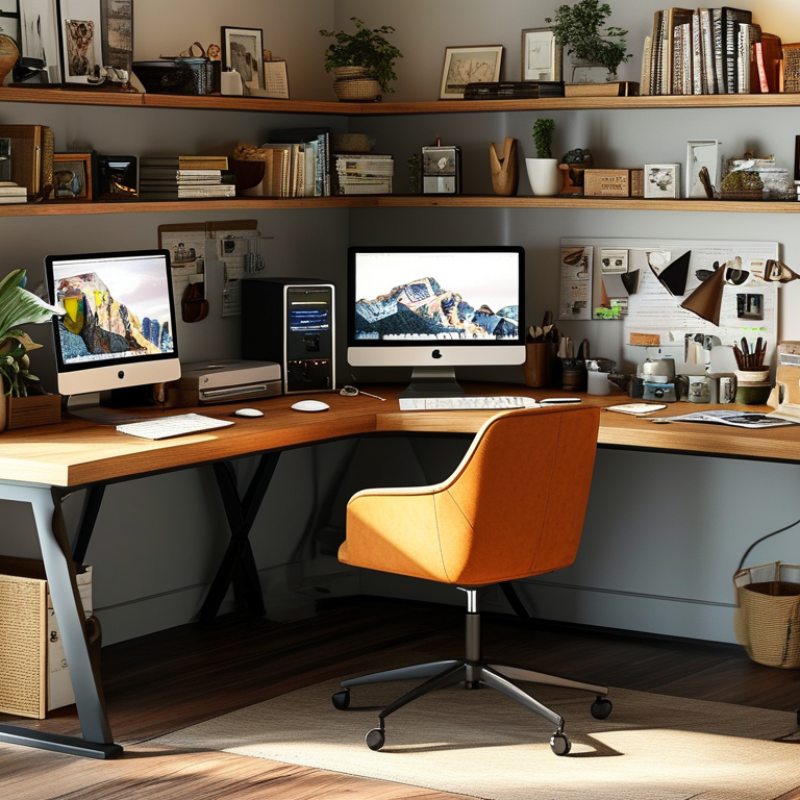
L-shaped desks are popular for maximizing space.
They offer ample working surface and can fit snugly into corners. This shape facilitates multitasking and can accommodate dual monitors.
However, choosing the right size is vital to avoid an overcrowded look in your room.
Another option includes corner writing desks, which are less bulky.
These desks often provide a minimalist design, perfect for small spaces.
They may not offer much storage, but their simplicity can enhance the aesthetic of your workspace.
Consider whether you need additional shelving or drawers.
Each of these desk types has its nuances, and a poor fit could lead to frustration.
Adjustable corner desks are gaining traction.
They allow users to alternate between sitting and standing, promoting better posture.
While these desks are innovative, they may require more space for movement.
Be mindful of potential stability issues when adjusting height.
Each option has its strengths and weaknesses, making it essential to assess your needs carefully.
A thoughtful choice can lead to a more productive work environment.
Evaluating Material and Build Quality for Durability
When selecting a corner computer desk, material and build quality play crucial roles in durability. A survey from the American Home Furnishings Alliance indicates that over 70% of consumers report dissatisfaction with desks that wear out quickly. Desks made from high-quality solid wood or metal frames tend to last longer. For instance, solid wood can withstand significant weight and stress, while particleboard often fails under the same conditions.
Examining the construction of a desk reveals much about its longevity. Look for details such as reinforced corners or joints, as these add to stability. Desks manufactured with better techniques, like mortise-and-tenon joints, provide sturdiness. Conversely, many desks use inadequate fasteners that can lead to wobbling over time. According to an industry report, desks exhibiting poor build quality can lose structural integrity just a year after purchase.
While aesthetics matter, functionality and durability should take precedence. Premium finishes like laminate can enhance appearance but may degrade sooner if not properly cared for. Reflecting on feedback from users indicates that desk choice significantly impacts productivity and comfort. Choosing a desk requires balancing style with robust construction to foster an effective workspace.
Considering Ergonomics and Comfort in Desk Design
When selecting a corner computer desk, ergonomics and comfort should be a top priority. A well-designed desk supports your posture. This reduces strain on your back and neck. Look for desks with adjustable heights. This allows you to tailor the desk to your needs. Proper alignment is essential for long hours of work.
Consider the depth and width of the desk. A cramped space can lead to discomfort. Ensure there's enough space for your legs. Ideally, there should be room to stretch occasionally. A curved front edge can also enhance comfort, allowing for closer access to your screens and minimizing the awkward stretch.
Think about your chair and monitor placement, too. They should align with your eye level and elbow position. Many people overlook the importance of a good chair. An uncomfortable chair can ruin an otherwise perfect setup. Reflect on what works for you. What might seem perfect now may need adjustments later. Your desk should evolve with your needs.
Budgeting for Your Ideal Corner Computer Desk Purchase
When budgeting for your ideal corner computer desk, assess your needs first.
Consider how much workspace you require. A larger desk may enhance productivity, but it will also cost more. Factor in your preferred materials, like wood or metal. Solid wood desks often come at a higher price, but they provide durability and style.
Set a realistic budget based on your research. Prices can vary widely. Some desks may be affordable, yet lack quality. Others might offer premium features at a premium price. Create a list of must-have features. Remember, even small additions like cable management systems can influence the total cost.
Explore options within your price range. Look for sales or discounts to save money. Online marketplaces can offer competitive pricing. Don't be swayed by flashy designs. Functionality should be your focus. Reflect on long-term usage versus immediate gratification. This contemplation could help you avoid buyer's remorse later.