Top Adjustable TV Stand Manufacturers in China
Choosing an Adjustable Tv Stand involves more than matching a screen to a base. Buyers also need to consider room size, viewing height, mobility, and installation requirements. In a compact apartment, locking wheels can make repositioning easier. In a shared meeting room, cable routing and a stable, height-adjustable frame may matter more. Small details matter. A stand that looks suitable in a product photo may not fit a particular screen or daily routine.
China has a wide range of manufacturers serving residential, commercial, and education markets. Their products can differ in materials, adjustment mechanisms, load capacity, finish, and customization options. This guide introduces notable manufacturers and explains what buyers can examine when comparing them. Product specifications, factory capabilities, and service terms should be checked directly with each supplier, since offerings can change. Useful questions include whether the stand has been tested with your screen size, how its height is adjusted, and what assembly instructions are provided. Ask for clear drawings or measurements, not just a broad product description.
A supplier’s catalog is only part of the picture. Communication, sample quality, and consistent documentation can also shape a purchasing decision. No comparison is perfect; even a detailed overview cannot replace checking a unit in person. The manufacturers discussed here offer a starting point for research, not a guarantee that one option suits every buyer. Use the details that matter to your installation, and verify them before ordering.
Overview of Adjustable TV Stand Manufacturing in China
Top Adjustable TV Stand Manufacturers in China
Overview of Adjustable TV Stand Manufacturing in China
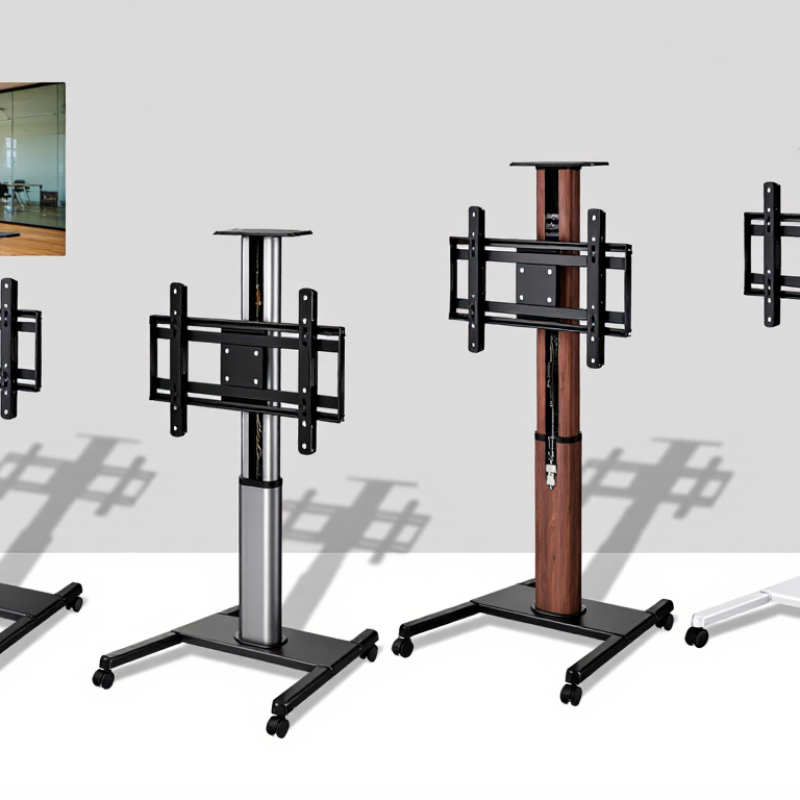
China’s adjustable TV stand manufacturing combines metal fabrication, component sourcing, and final assembly. Many factories work with steel tubing, formed plates, fasteners, and height-adjustment mechanisms. Production usually begins with drawings or samples, followed by cutting, welding, surface finishing, and assembly. Some manufacturers also adapt stand dimensions, finishes, or mounting patterns to buyer specifications. The exact process varies by factory and product design.
Quality checks matter at every stage. Workers may inspect welds, coating coverage, moving parts, and package contents before shipment. A height-adjustable column should move smoothly and remain stable at its intended load. Clear test criteria help buyers compare samples with production units. Small details matter. Yet drawings can miss real-world fit issues, so a physical sample is worth reviewing before a large order. There is no single best design for every screen or room.
Tips: Ask for material specifications, adjustment range, load rating, and inspection records. Test a sample with the intended screen. Check stability on the floor surface where it will be used.
Common VESA Mounting Patterns for Adjustable TV Stands
Mounting-hole spacing in millimeters. These interface dimensions are compatibility references, not China production or market-share data.
Manufacturers use mounting-plate dimensions such as these when designing adjustable stands. Stand compatibility also depends on the TV’s supported pattern, screen size, and weight rating.
Leading Adjustable TV Stand Manufacturers in China
Leading adjustable TV stand manufacturers in China compete through stable frames, smooth height adjustment, and practical cable management. When assessing a supplier, ask for load-test records, cycle-test results, and the stand’s compatible screen-size range. Check welds, locking points, and wheel brakes; a polished finish alone says little about long-term stability. Request a sample and adjust it with a screen fitted, not just an empty frame.
Grand View Research valued the global furniture market at USD 541.52 billion in 2023 and projected a 5.9% compound annual growth rate from 2024 to 2030. This broad category does not isolate TV stands, but it shows the scale of the wider furniture sector. For buyers, specifications still matter more than market growth. Compare minimum and maximum height, tilt range, base footprint, and packaging protection. Small inconsistencies can complicate installation.
Tips: Confirm that the stated load capacity includes the screen and attached accessories. Ask how the supplier checks adjustment mechanisms across repeated movements. A modest point, perhaps, but easy to overlook: floor unevenness can affect stability, even with a well-built stand.
Top Adjustable TV Stand Manufacturers in China – Leading Adjustable TV Stand Manufacturers in China
| Product Category |
Typical Screen Size |
Common VESA Compatibility |
Typical Load Capacity |
Adjustment Features |
Common Applications |
| Tabletop adjustable TV stand |
32–65 in |
75 × 75 mm to 400 × 400 mm |
Up to approximately 40 kg |
Multiple height positions; swivel or tilt on selected models |
Living rooms, bedrooms, and replacement of a TV’s original feet |
| Rolling TV stand |
32–75 in |
100 × 100 mm to 600 × 400 mm |
Approximately 40–60 kg |
Height adjustment; lockable casters; optional tilt and cable management |
Meeting rooms, classrooms, offices, and shared spaces |
| Heavy-duty mobile TV stand |
55–100 in |
200 × 200 mm to 800 × 600 mm |
Approximately 60–100 kg |
Reinforced frame; adjustable mounting height; lockable wheels |
Conference rooms, lecture halls, and large displays |
| Floor TV stand with tripod or easel base |
32–75 in |
100 × 100 mm to 600 × 400 mm |
Approximately 30–50 kg |
Height adjustment; some designs provide swivel or tilt |
Homes, studios, exhibitions, and flexible presentation areas |
| Motorized height-adjustable TV stand |
43–86 in |
200 × 200 mm to 600 × 400 mm |
Approximately 40–80 kg |
Powered height adjustment; remote control on many models |
Meeting rooms, classrooms, and accessible presentation spaces |
| TV stand with camera shelf |
43–86 in |
200 × 200 mm to 600 × 400 mm |
Approximately 40–80 kg |
Height-adjustable display mount; shelf positions vary by design |
Video conferencing, training rooms, and hybrid classrooms |
|
Reference guide only: these are general product-category ranges, not specifications or rankings for individual manufacturers. Actual screen compatibility, VESA patterns, load limits, adjustment range, and included accessories vary by model; confirm them against the product datasheet before purchase.
|
How Chinese Manufacturers Compare in Products and Capabilities
Chinese adjustable TV stand manufacturers vary more in engineering depth than their catalogs suggest. One supplier may offer a compact mobile stand with locking casters, while another supports heavier displays with reinforced steel columns. Compare stated load capacity with the stand’s actual configuration, including shelves and camera mounts. Details matter. VESA patterns, height increments, cable clips, and the footprint all affect daily use.
Manufacturing capabilities also differ. Some factories handle metal cutting, welding, and powder coating in-house; others rely on outside partners for certain processes. Ask how prototypes are tested and whether inspection records cover welds, coating consistency, and caster movement. A clean sample is encouraging, but repeatability across a production run matters more. Packaging deserves attention too: a bent upright can turn a good design into a costly delivery problem.
Customization may include shelf dimensions, finish colors, or carton artwork, but flexibility can depend on order volume and tooling needs. Request drawings, material specifications, and a clearly defined load test before comparing quotations. Price alone gives a thin picture. I would still treat broad quality claims cautiously; a factory’s strongest product may not represent every model it makes. A small pilot order can reveal assembly issues that photographs miss.
How to Evaluate and Source from Chinese TV Stand Manufacturers
When evaluating adjustable TV stand manufacturers in China, inspect the engineering, not just the finish. Grand View Research valued the global furniture market at US$677.09 billion in 2024 and forecast 5.4% annual growth through 2030. That broad-market figure is not TV-stand-specific, but it signals a competitive supply base. Ask whether the factory designs frames in-house or mainly assembles purchased parts.
Request drawings showing height range, steel thickness, weld locations, and rated load. Compare these details with an independently witnessed load and stability test. Check locking pins, caster brakes, cable openings, and the tilt mechanism on a production sample. Small faults matter. A stand that holds a static screen may wobble when pushed. Still, a polished sample proves little.
For sourcing, send the same specification and packaging requirements to several factories. Verify production capacity, material traceability, inspection records, and whether the quoted supplier is the actual manufacturer. Ask for recent test reports, and confirm the tested model matches your order. Review carton drop-test results; corners and screen brackets often take the first impact. A factory audit can clarify process control, though one visit cannot guarantee every batch. Keep a signed “golden sample” for comparison. I would also reserve time for one revision; drawings are sometimes less complete than buyers expect.