Leave Your Message

China Top 10 Modern Wood Coffee Table Manufacturers?

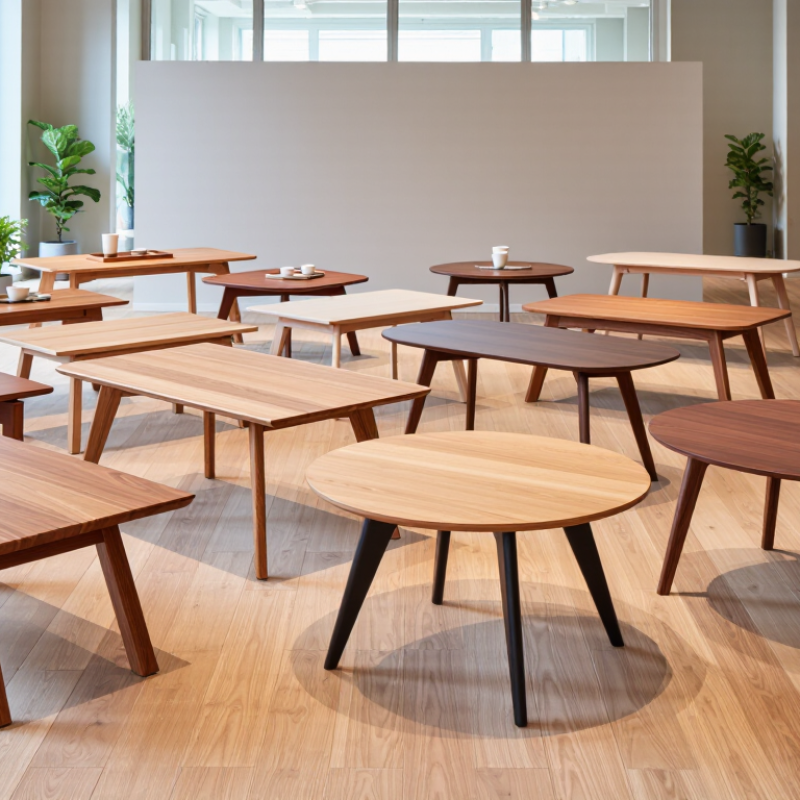
China’s modern furniture industry has changed quickly, yet quality remains uneven. This guide examines China’s top 10 Modern Wood Coffee Table manufacturers through practical, verifiable criteria. These include material selection, joinery, surface finishing, production capacity, design flexibility, and export experience.

A beautiful table is not automatically a reliable table.

Our evaluation also considers wood moisture control, edge stability, packaging protection, and documented quality procedures. These details matter when a table travels from a Chinese factory to a customer’s living room. We will distinguish solid wood, veneer, engineered board, and mixed-material construction. That distinction is easy to overlook.

Renowned woodworker George Nakashima said, “The tree is a living thing, and it should be treated with respect.” His view remains valuable for the Modern Wood Coffee Table industry. Responsible manufacturers should reduce unnecessary waste, explain wood origins, and avoid exaggerated environmental claims. Supplier information, factory visits, product samples, and customer feedback can strengthen the comparison. However, public data is sometimes incomplete. A ranking can guide decisions, but it cannot replace independent inspection.

This article is designed for importers, retailers, interior designers, and homeowners seeking dependable Chinese suppliers. Each manufacturer should be reviewed for customization ability, minimum order quantities, lead times, warranty support, and compliance with destination-market requirements. Small differences can become expensive problems later. The strongest companies combine visual appeal with structural discipline. Some may still have weaknesses. That is worth acknowledging.
China Top 10 Modern Wood Coffee Table Manufacturers?

Definition and Scope of Modern Wood Coffee Table Manufacturing in China

Modern wood coffee table manufacturing in China covers the design, material processing, assembly, finishing, testing, and export preparation of contemporary tables. The definition is not perfectly fixed. It may include solid timber, wood veneer, plywood, or engineered wood with a natural surface.

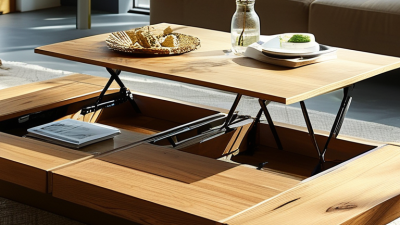
In practical factory work, the process often begins with moisture control and material inspection. Wood is kiln-dried according to local conditions and product requirements. CNC cutting creates accurate panels, while skilled workers check joints, edges, and surface alignment. Some tables combine wood with glass or metal, but wood remains the visual and structural focus. Common modern features include slim tops, rounded corners, hidden storage, and low-profile bases.

Reliable manufacturing also requires traceable inspections. Quality teams may check moisture content, coating adhesion, load performance, dimensional tolerance, and packaging strength. Formaldehyde emissions and chemical finishes should meet the destination market’s applicable requirements.

Export packaging needs corner protection and clear assembly instructions.

Small details matter.

Supplier evaluation should include factory visits, sample approval, production records, and pre-shipment inspection. A beautiful sample can still hide inconsistent color or weak fasteners. That risk deserves attention.

Buyers should compare the approved sample with mass production, not rely only on catalog images. The scope also includes after-sales support, replacement parts, and corrective action when defects appear.

Manufacturing is technical, but judgment remains imperfect.
Key Materials, Designs, and Production Methods Used by Chinese Manufacturers

Chinese manufacturers produce modern wood coffee tables with a practical mix of materials. Solid rubberwood, ash, oak, and engineered wood are common choices. Rubberwood offers stable supply and smooth machining. Oak provides visible grain and stronger visual character. Engineered panels help control cost and reduce movement in changing humidity.

Designs often use slim legs, rounded corners, hidden drawers, and two-level surfaces. Some factories combine wood with tempered glass, powder-coated steel, or stone-look panels. CNC routing creates consistent curves and recessed joints. Experienced workshops still rely on hand sanding before spraying water-based or low-VOC finishes. This final step matters. Tiny edge marks can remain if production moves too quickly.

Tips: Request a material specification sheet, moisture standard, finish sample, and load test record. Check the table from several angles. Look beneath the top, where weak staples and uneven joints may hide. A perfect sample can still disappoint in mass production, so approve a pre-shipment inspection plan. Ask how the factory manages color differences between timber batches. Natural grain is never fully uniform. That is attractive, but it requires realistic expectations.

China’s Modern Wood Coffee Table Manufacturing Benchmark

This non-company benchmark summarizes commonly used materials, design features, and production methods in China’s modern wood coffee table sector. Percentages represent indicative product-specification occurrence rather than individual manufacturer market share.

Engineered wood and veneer-faced panels are widely used for dimensional stability and cost control, while solid wood remains important for premium products. CNC cutting, edge treatment, sanding, and water-based finishing support clean modern designs such as rounded edges, minimalist profiles, lift-top storage, and nested forms.

Top 10 Modern Wood Coffee Table Manufacturers and Their Product Features

China’s top ten modern wood coffee table manufacturers stand out through practical design and flexible production. Their collections often combine solid rubberwood, oak veneer, acacia, and engineered wood. These materials support different budgets and visual styles. Common features include rounded corners, slim legs, nesting shapes, lift-top surfaces, and hidden storage. Some factories also produce cable-friendly tables for compact apartments.

Product quality depends on more than appearance. Experienced manufacturers usually offer moisture testing, stable joinery, smooth drawer movement, and low-odor finishes. Buyers should request wood samples, finish swatches, load tests, and packaging photos before placing large orders. Several manufacturers support custom dimensions and colors, which helps retailers develop distinct collections. However, no factory is perfect. A beautiful sample may still hide weak hardware or uneven veneer. Factory audits and repeated sample checks remain necessary.

Tips: Check the table’s leg joints by hand. They should feel firm, not hollow or loose. Ask about panel thickness, edge sealing, and carton protection. A 10-centimeter height difference can affect comfort. Also, compare real product photos with catalog images. Small details often reveal the manufacturer’s actual workmanship.

Quality Standards, Customization Options, and Export Capabilities

China’s top 10 modern wood coffee table manufacturers should be assessed beyond appearance. Quality begins with kiln-dried timber, stable moisture levels, and verified panel bonding. A practical target is 8–12% wood moisture for many indoor environments. Factories should also provide batch records, load testing, and surface-finish checks. ISO 9001 supports process control, while FSC chain-of-custody certification can strengthen responsible sourcing claims.

Details matter.

Customization separates capable manufacturers from simple traders. Buyers may request round, oval, or nesting tables, revised dimensions, concealed storage, edge profiles, and water-based coatings. Good suppliers should send drawings, physical samples, and tolerance data before production. EN 12521 testing offers a useful reference for domestic table strength and stability. Still, a certificate alone proves little. I would inspect current test reports and confirm whether they cover the exact table design.

Export capability requires more than a low quotation. UN Comtrade data places China among the world’s leading HS 9403 furniture exporters, with 2023 export value exceeding US$40 billion. This scale suggests strong container planning, packaging systems, and international logistics experience. Ask about carton drop tests, corner protection, fumigation documentation when applicable, and moisture barriers. Some factories communicate well but handle revisions poorly. That weakness can create costly delays. A serious top-10 shortlist should compare lead times, defect rates, replacement policies, and port experience, not only catalog photographs.

How to Compare and Select a Suitable Chinese Coffee Table Manufacturer

Choosing among China’s top modern wood coffee table manufacturers requires more than comparing catalog photos. Start with the table’s construction. Ask whether the frame uses solid wood, plywood, or veneered board. Request the wood species, moisture range, edge treatment, and finish details. A reliable manufacturer should provide drawings with exact dimensions and acceptable tolerances.

Ask for a physical sample before placing a large order. Inspect joint alignment, surface smoothness, color consistency, and the table’s stability on a flat floor. Test the packaging too. Corner protectors, foam spacing, and moisture-resistant cartons can prevent costly damage during long-distance shipping. A polished sample can mislead. Inspect the hidden parts.

Factory capability also matters. Review production equipment, daily capacity, quality-control records, and experience with similar designs. Request recent inspection photos, material certificates, and references from comparable buyers. If sustainability is important, verify relevant forest-source documentation instead of accepting vague claims. Clear communication matters as much as machinery. Can the team explain changes in English, confirm revisions, and report defects honestly?

Compare quotations line by line. A lower price may exclude finishing, packaging, tooling, or inspection. Check lead times, sample fees, replacement terms, and payment milestones in writing. No checklist is perfect. I would also leave room for one small trial order, because real production often reveals issues that a showroom sample hides.

China Top 10 Modern Wood Coffee Table Manufacturers? - How to Compare and Select a Suitable Chinese Coffee Table Manufacturer

Rank Supplier Profile Main Manufacturing Strength Typical MOQ Sample Lead Time Bulk Lead Time Common Materials Customization Capability Quality & Compliance Checks Best Fit
01 Profile A High-volume modern furniture production with standardized designs 50–100 pcs 10–20 days 30–45 days Rubberwood, oak veneer, MDF, plywood Standard dimensions, finishes, packaging, and hardware Pre-shipment inspection, moisture testing, carton drop testing Retail chains
02 Profile B Solid wood coffee tables with visible grain and handcrafted detailing 20–50 pcs 15–25 days 35–55 days Ash, oak, acacia, walnut veneer Wood species, edge profiles, stain colors, and dimensions Wood moisture target generally 8%–12%, finish adhesion inspection Premium interiors
03 Profile C Flat-pack and knock-down furniture designed for efficient shipping 100–300 pcs 12–18 days 25–40 days Engineered wood, particleboard, MDF, metal fittings Knock-down structure, assembly instructions, carton optimization Assembly-cycle testing, fastener torque checks, packaging inspection E-commerce sellers
04 Profile D Small-batch OEM and private-label development 10–30 pcs 20–35 days 40–60 days Solid wood, veneer, plywood, tempered glass Prototype development, drawings, colors, dimensions, and logos First-article approval, dimensional report, visual inspection Start-ups
05 Profile E Minimalist tables combining wood tops with metal or stone bases 50–100 pcs 15–25 days 35–50 days Oak veneer, sintered stone, marble, powder-coated steel Base geometry, tabletop thickness, surface color, and finish Load testing, weld inspection, coating thickness, edge safety Design studios
06 Profile F Sustainable furniture using certified or recycled material options 50–150 pcs 18–30 days 40–60 days FSC-available wood, bamboo, recycled board, water-based finishes Material substitution, low-VOC finishes, packaging reduction Material traceability, formaldehyde documentation, finish testing Eco-conscious brands
07 Profile G Scandinavian and contemporary designs for residential use 80–200 pcs 15–25 days 30–50 days Ash, oak, birch plywood, natural veneer Color matching, rounded edges, tapered legs, and coordinated collections Surface smoothness, stability testing, color consistency Home retailers
08 Profile H Commercial-grade tables for hospitality and contract projects 100–300 pcs 20–30 days 45–70 days Commercial plywood, hardwood veneer, compact laminate, steel Project dimensions, fire-performance options, and heavy-use hardware Load, abrasion, stain, and repeated-use testing Hotels and cafés
09 Profile I Cost-efficient production for entry-level modern furniture 200–500 pcs 10–18 days 25–40 days MDF, particleboard, melamine board, steel tube Color, size, packaging, and basic structural changes Panel thickness, edge-banding, assembly, and carton inspections Value retailers
10 Profile J Integrated supplier for coordinated living-room furniture collections 100–300 pcs 18–28 days 40–65 days Solid wood, veneer, engineered wood, glass, and metal Collection development, matching furniture, packaging, and installation guides Pre-production samples, inspection standards, packaging tests, and batch records Importers
Selection guidance: Compare landed cost rather than unit price alone. Confirm material specifications, moisture content, formaldehyde documentation, load capacity, packaging performance, production capacity, payment terms, inspection procedures, and after-sales support before placing a bulk order.