Adjustable Coffee Table Trends for 2026 What Buyers Need to Know
As we look ahead to 2026, adjustable coffee tables are set to transform living spaces. The idea of flexibility in furniture design resonates with modern lifestyles. Homeowners seek options that adapt to their needs.
Adjustable coffee tables offer this versatility. They can change heights and styles to suit various activities, from casual coffee breaks to family game nights. This adaptability appeals to a wide audience. However, not all designs meet quality standards. Buyers must pay attention to materials and manufacturing processes.
Trends indicate a growing interest in sustainable options. Eco-friendly materials can enhance aesthetic appeal and functionality. It's essential to prioritize quality over flashy designs. While adjustable features are important, lasting durability is crucial. Reflecting on personal needs can lead to better purchasing decisions.
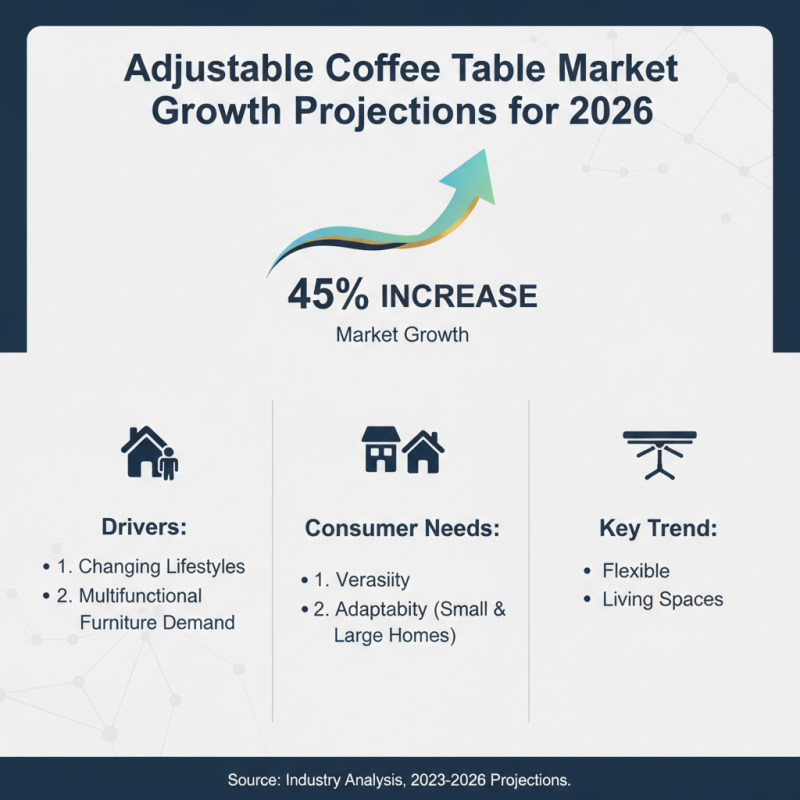
Adjustable Coffee Table Market Growth Projections for 2026
The adjustable coffee table market is experiencing significant growth projections for 2026. This trend is driven by changing lifestyles and a shift towards multifunctional furniture. More consumers are seeking versatile pieces that can adapt to various settings. This flexibility is essential for both small apartments and larger homes.
Experts suggest that the rise in remote work is influencing buyers' needs. Many people now require spaces that blend work and leisure. Adjustable coffee tables serve this purpose well, offering convenience without sacrificing style. These tables can transform from a casual height to a dining level.
However, buyers should consider a few factors. Not all adjustable tables are created equal. Some may lack stability or durability. It’s vital to check materials and mechanisms before purchasing. As this market evolves, consumers must remain informed about trends and innovations to make wise investments. Understanding these dynamics will help buyers choose the best options for their needs.
Key Features Driving Consumer Interest in Adjustable Coffee Tables
Adjustable coffee tables are gaining traction among consumers, driven by their practicality and versatility. A recent industry report noted that over 45% of buyers prioritize multi-functional furniture. Adjustable tables adapt to various needs, from a cozy coffee setting to a dining option. This flexibility meets the demands of modern living, especially in smaller spaces.
Key features influencing consumer choice include height adjustability and durable materials. Studies indicate that tables with easy-to-use mechanisms appeal to over 60% of consumers. Sleek designs paired with functionality attract many buyers seeking style. Options like storage compartments also resonate with those wanting to maximize space.
Tip: When shopping for adjustable tables, consider the ease of adjustment. Models with smooth mechanisms enhance user experience.
Another essential feature is stability. Inconsistent tables can cause frustration. Ensure the table remains steady at various heights. Research shows that quality construction is a decisive factor for 70% of potential buyers.
Tip: Always check reviews to gauge the reliability of the mechanisms.
Adjustable Coffee Table Trends for 2026
Material and Design Innovations Influencing 2026 Trends
The adjustable coffee table market is evolving. As we approach 2026, material and design innovations are key trends shaping buyer preferences. According to a report by Market Research Future, the furniture market is projected to grow by 5.4% annually. This growth is driven by advancements in sustainability and functionality.
Materials play a crucial role in design evolution. For example, eco-friendly options like bamboo and recycled metals are gaining traction. These materials are not just sustainable; they also provide aesthetic appeal. Designers are increasingly experimenting with mixed materials, leading to unique textures and styles that can fit various interiors. Buyers are demanding versatility and ease of use. An adjustable table that suits multiple settings is a sought-after feature.
Tip: Look for tables that offer custom finishes. This way, you can match your unique taste and décor.
Designs are also becoming more user-centric, with smart features being integrated, allowing for seamless transitions between heights. Consumers want more than just functionality; they seek pieces that enhance their lifestyle.
Tip: Measure your space before purchasing. Ensure the table fits well in your living area, catering to both practicality and style.
Reflecting on these trends, buyers must consider not only style but also how the table functions within their lives. Embracing innovation can lead to a more satisfying purchase decision.
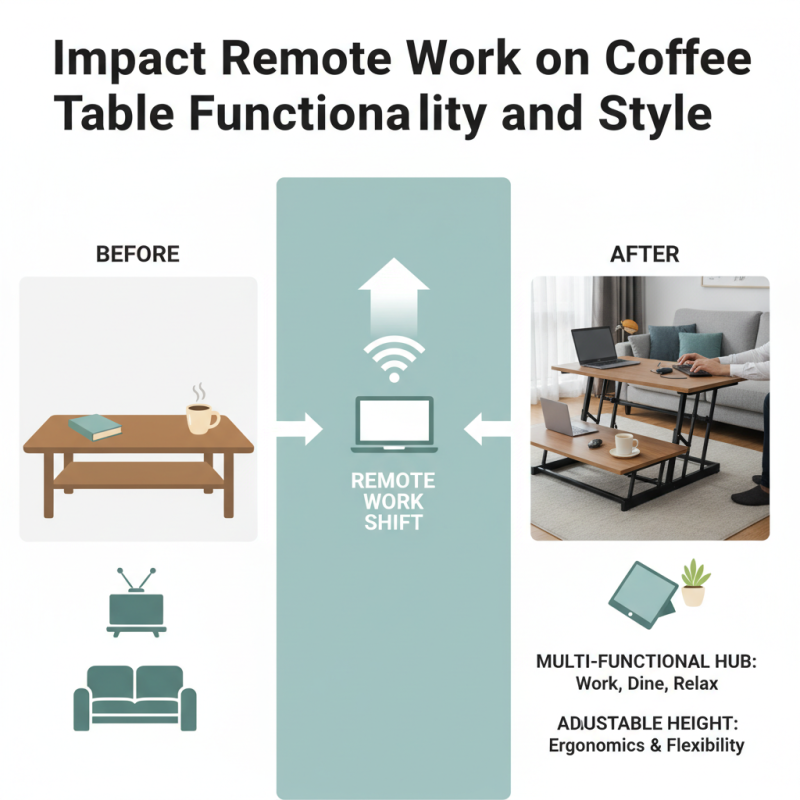
Impact of Remote Work on Coffee Table Functionality and Style
The shift towards remote work has significantly changed our living spaces. Coffee tables are now more than just surfaces for drinks. They serve multiple functions, reflecting a blend of style and practicality. Many opt for adjustable coffee tables, enhancing flexibility in their home office setups. These tables can be raised or lowered, accommodating tasks from work to relaxation.
Functionality is a priority for many remote workers. For some, coffee tables are redeployed as makeshift desks. This trend towards dual-purpose furniture highlights the need for versatility. A simple, modern design can seamlessly transition from workspace to social hub. However, striking a balance between aesthetics and practicality can be challenging.
Buyers often overlook the importance of materials and construction. Not all adjustable tables are created equal. Many models may fail under heavy use or do not offer the stability needed for daily tasks. Investing in quality craftsmanship is crucial. As trends evolve, the need for thoughtful, multifunctional design becomes more apparent. A coffee table should not only look good but also support a dynamic lifestyle.
Sustainability Trends Shaping Adjustable Coffee Table Manufacturing
The future of adjustable coffee tables is increasingly tied to sustainability. As consumers become more eco-conscious, manufacturers are adapting. Materials play a huge role in this shift. Reclaimed wood, recycled metals, and bamboo are gaining popularity. These materials offer durability while minimizing environmental impact.
Shaping manufacturing practices is also vital. Factories are exploring energy-efficient methods. This transition aims to reduce waste and carbon footprints. Sustainable practices not only appeal to buyers but also reflect a growing responsibility within the industry. However, some designs still prioritize aesthetics over function. This can lead to environmental trade-offs that need address.
Designers face challenges. Balancing style and eco-friendliness isn't always straightforward. Such choices can influence consumer preferences. Adjustable tables should marry form with function. Achieving this harmony is an ongoing journey. It's a conversation worth having as trends evolve. Buyers need to consider their values when making a choice.
Adjustable Coffee Table Trends for 2026
| Feature |
Trend |
Sustainability Aspect |
Consumer Preference (%) |
| Material Type |
Recycled Wood |
Reduces deforestation |
65% |
| Height Adjustment |
Electric Mechanism |
Energy-efficient design |
40% |
| Design |
Minimalist Aesthetic |
Utilizes fewer materials |
55% |
| Functionality |
Multi-use Table |
Promotes space efficiency |
70% |
| Production Method |
Local Sourcing |
Reduces carbon footprint |
50% |